Resources

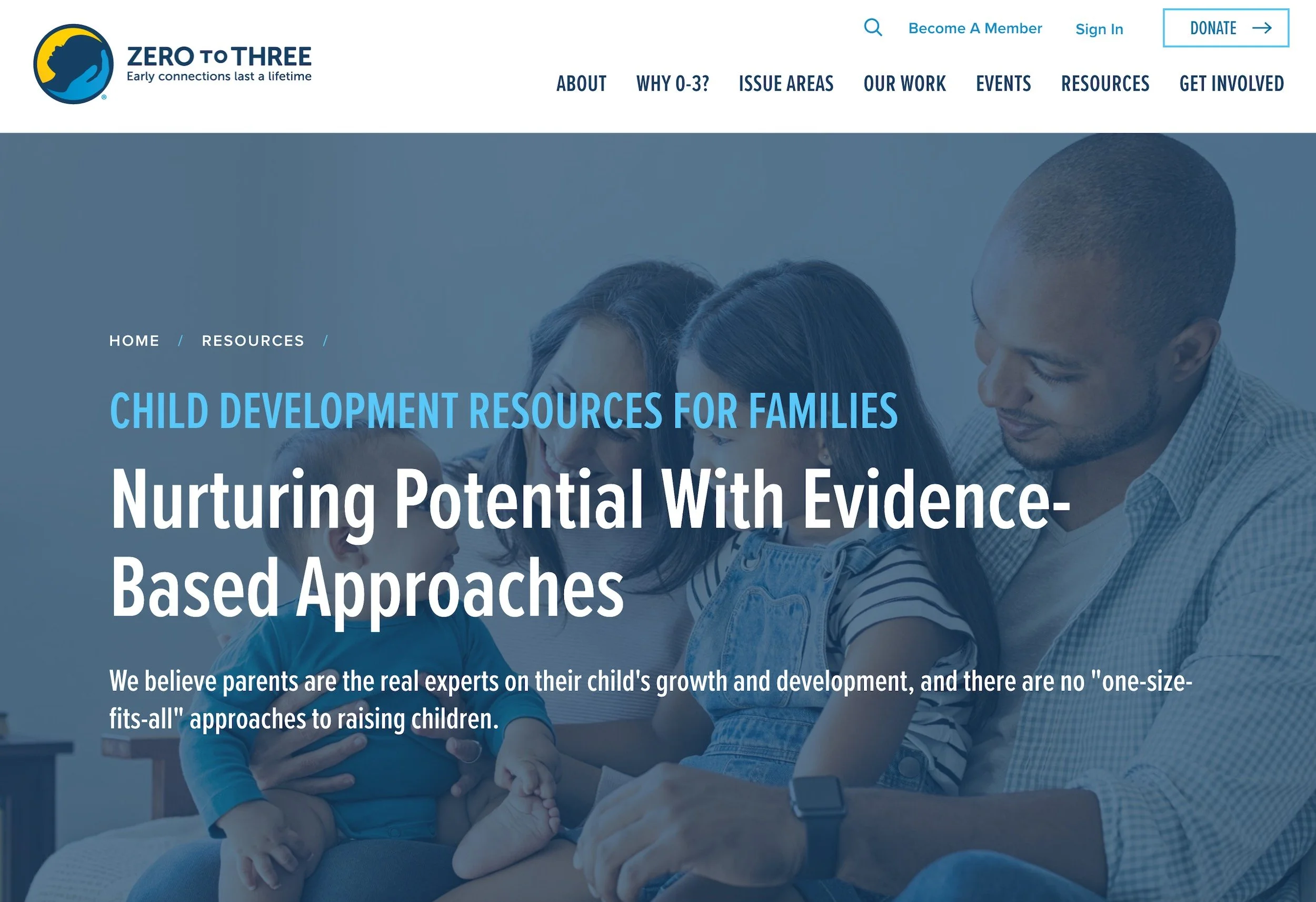
  • Website homepage for ZERO TO THREE, a child development organization. The header includes options to become a member, sign in, and donate. The main section features a family-focused image with a man, woman, and two children, accompanied by text highlighting child development resources for families and emphasizing evidence-based approaches.

    Zero to Three

    Comprehensive site covering general child development from birth to 3 years. Available in English and Spanish

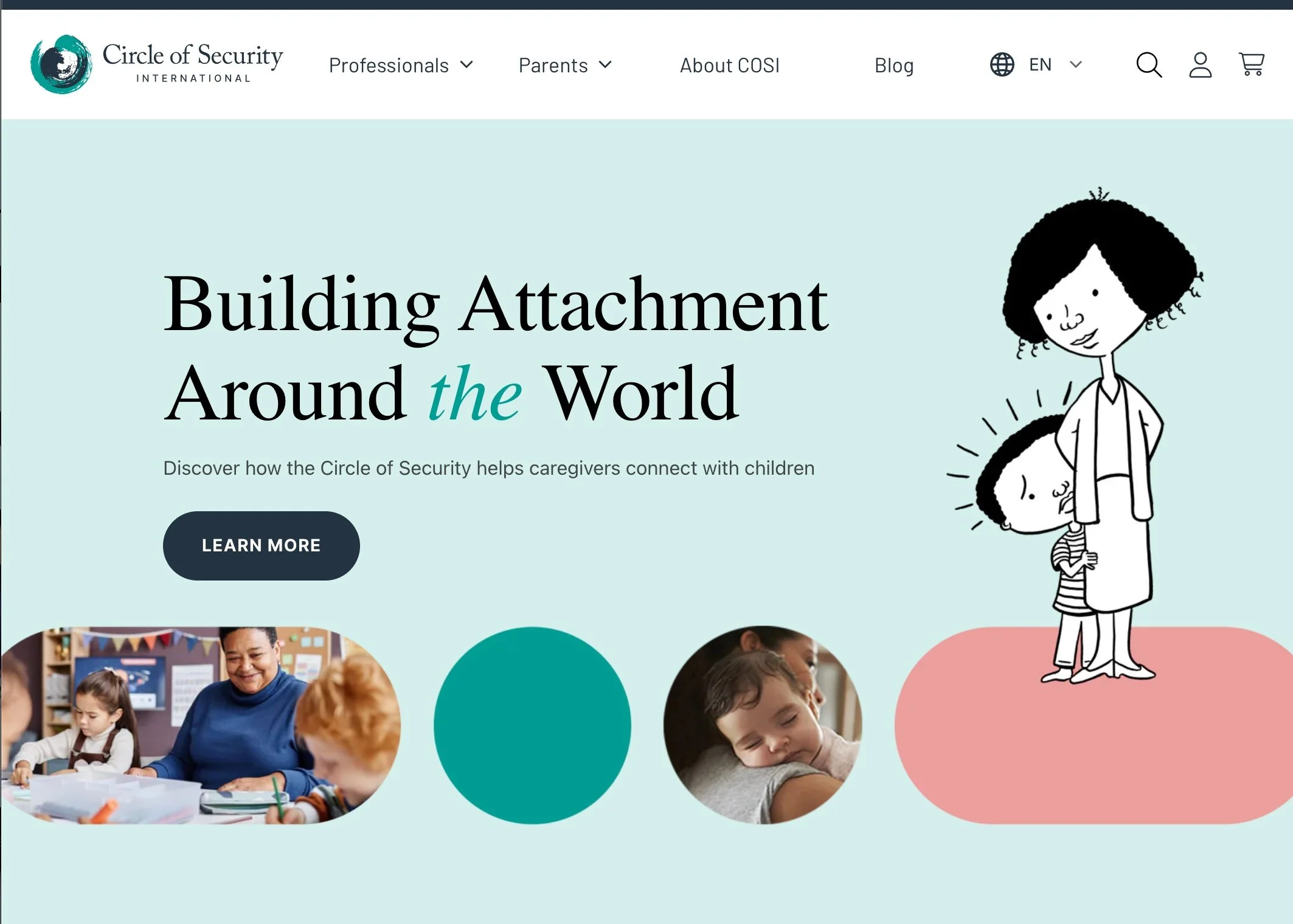
  • homepage of Circle of Security International website featuring a cartoon illustration of a caregiver embracing a child, with children and caregivers in photos below, light teal background with black text.

    Circle of Security

    Excellent resource for families and professionals on the why and how of supporting secure attachment.

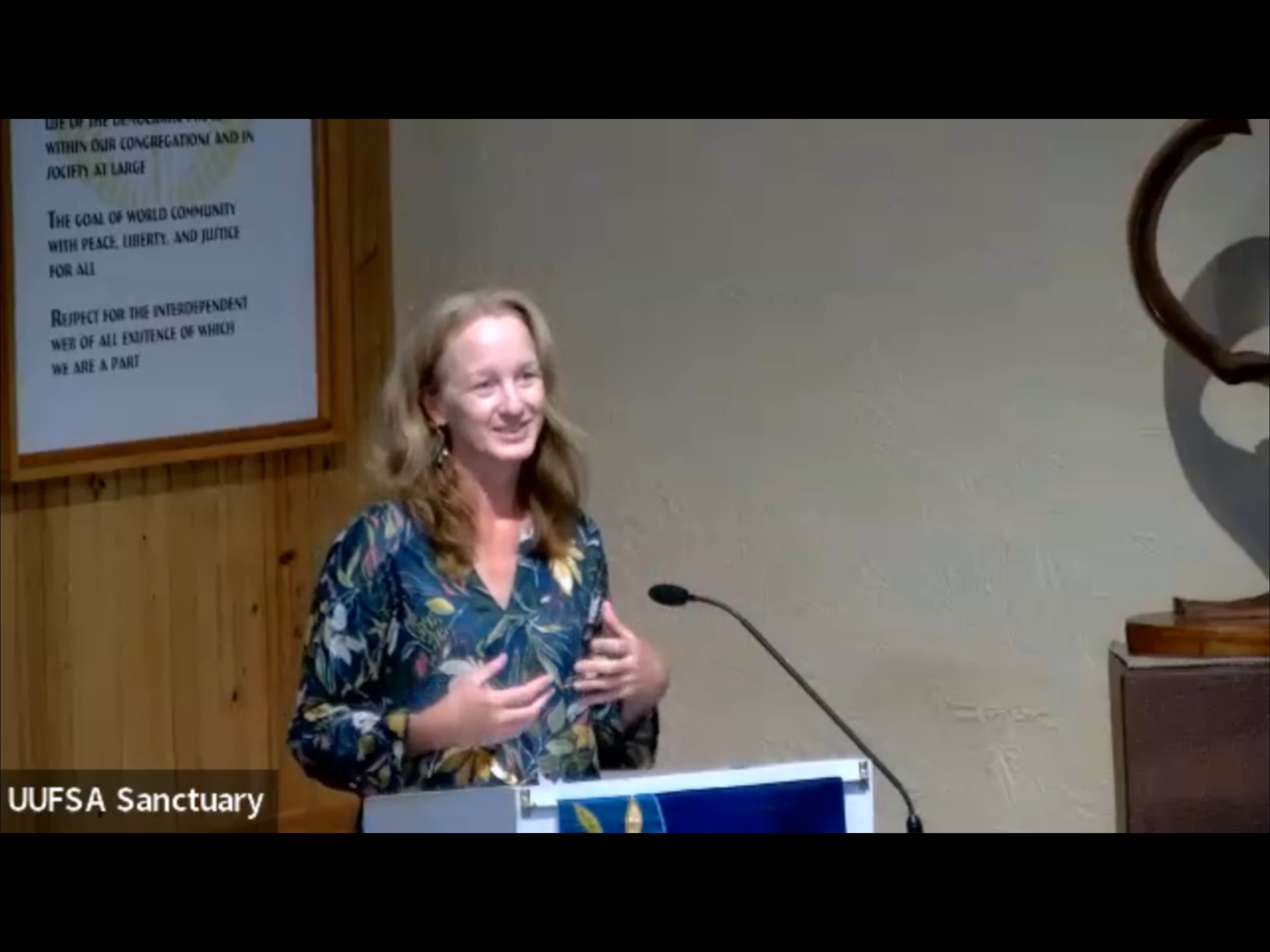
  • Woman smiling and speaking at a podium in a room with wooden paneling, a mural on the wall, and a sign that reads 'UUFSA Sanctuary'.

    Building Resilience in Youth

    Video of a presentation given by Michele Fouts in November 2025 at the Unitarian Universalist Fellowship of Saint Augustine, Florida.

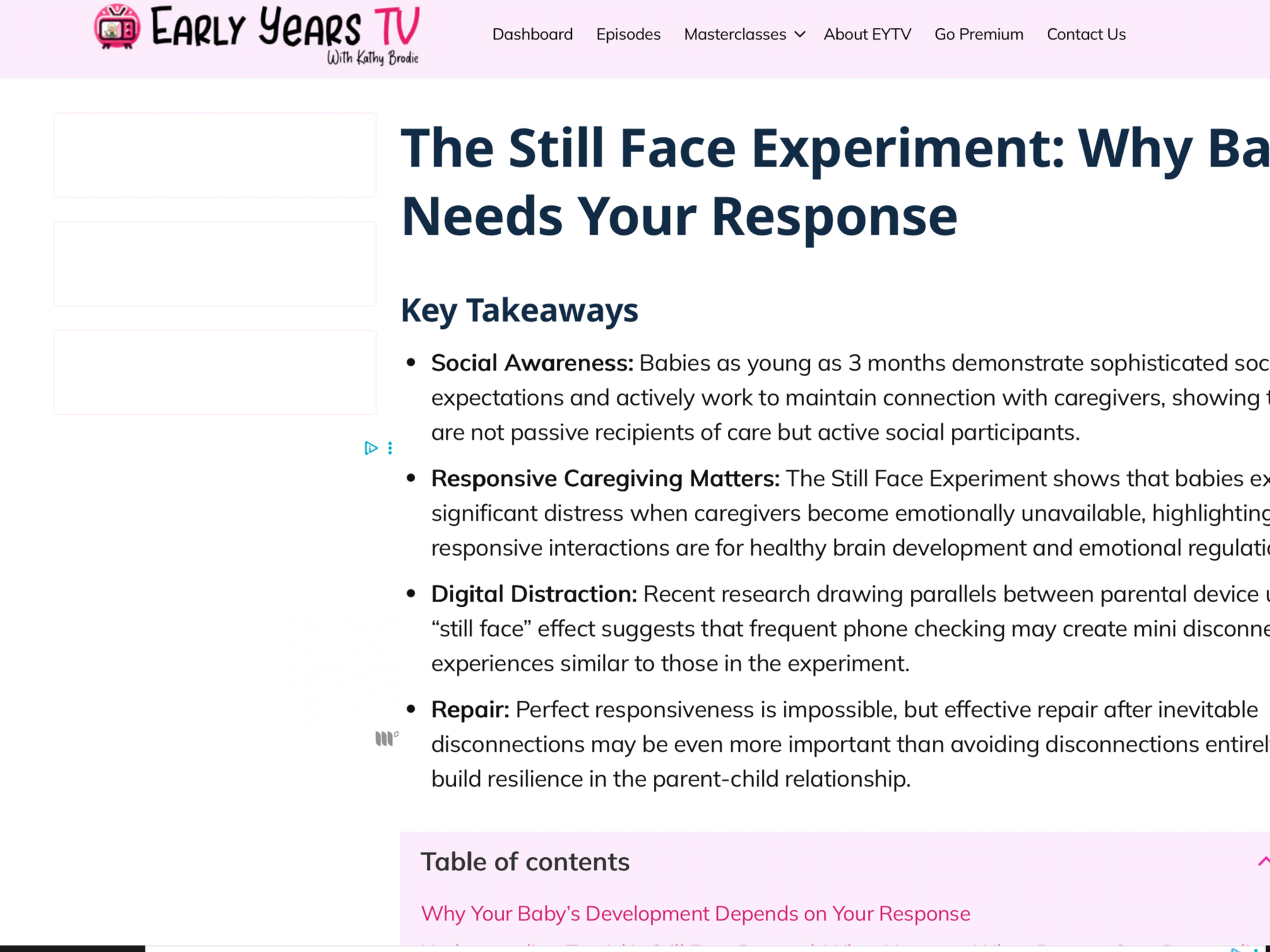
  • Screenshot of an online article titled "The Still Face Experiment: Why Babies Need Your Response" on the Early Years TV website, with a menu bar at the top and a pink and white color scheme.

    The Still Face Experiment and Responsive Caregiving

    This article explores the famous Still Face Experiment and the importance of caregiver attunement and responsiveness for infant development from birth.

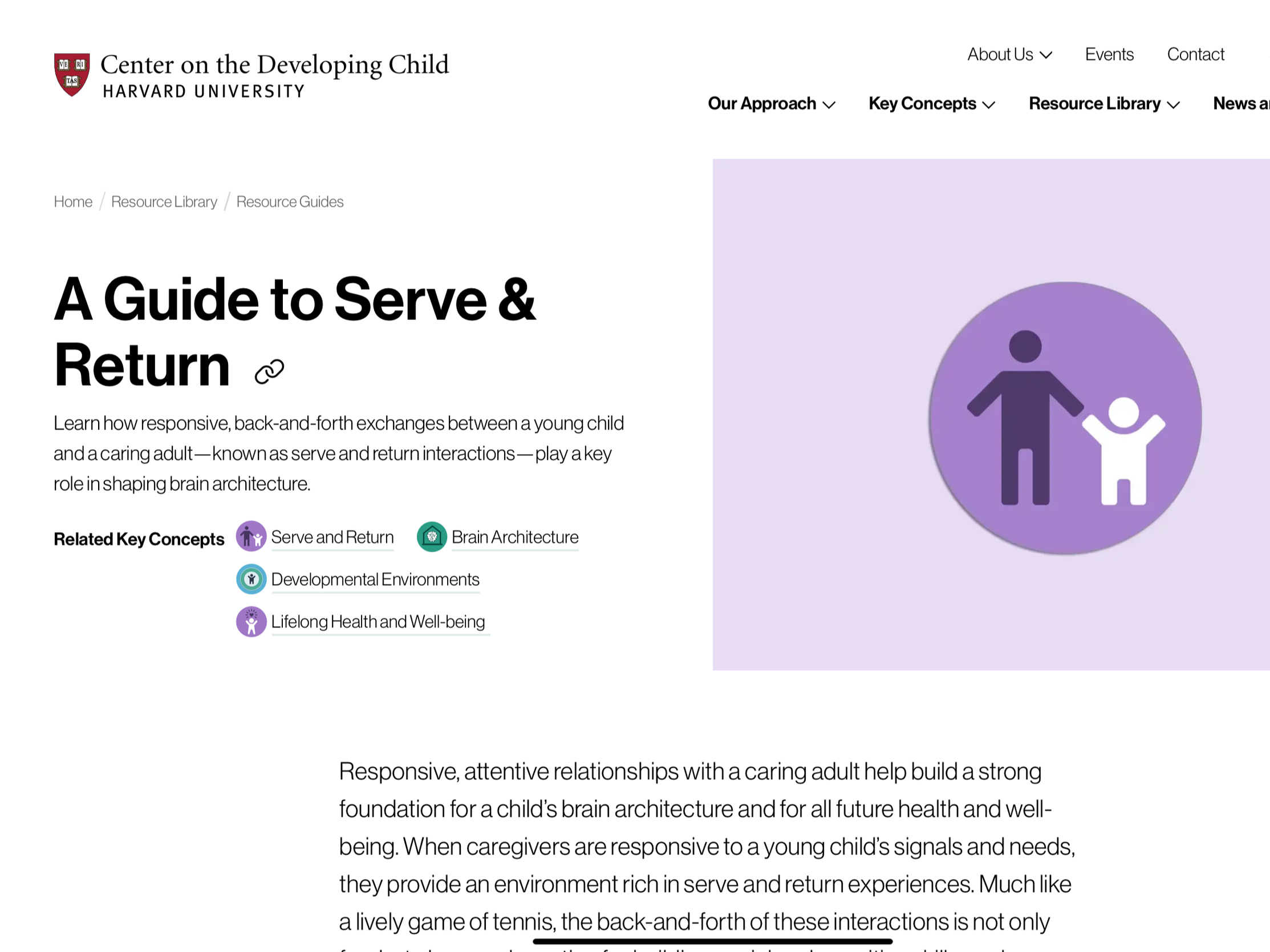
  • Website page titled 'A Guide to Serve & Return' from Harvard University's Center on the Developing Child, featuring a purple icon of a caregiver and child holding hands.

    Serve and Return Interactions

    The Harvard Center on the Developing Child site offers comprehensive articles and videos ranging from general child development to the impacts of trauma and more. This link will take you to the section on Serve and Return and explain the benefits of these interactions between children and caregivers.

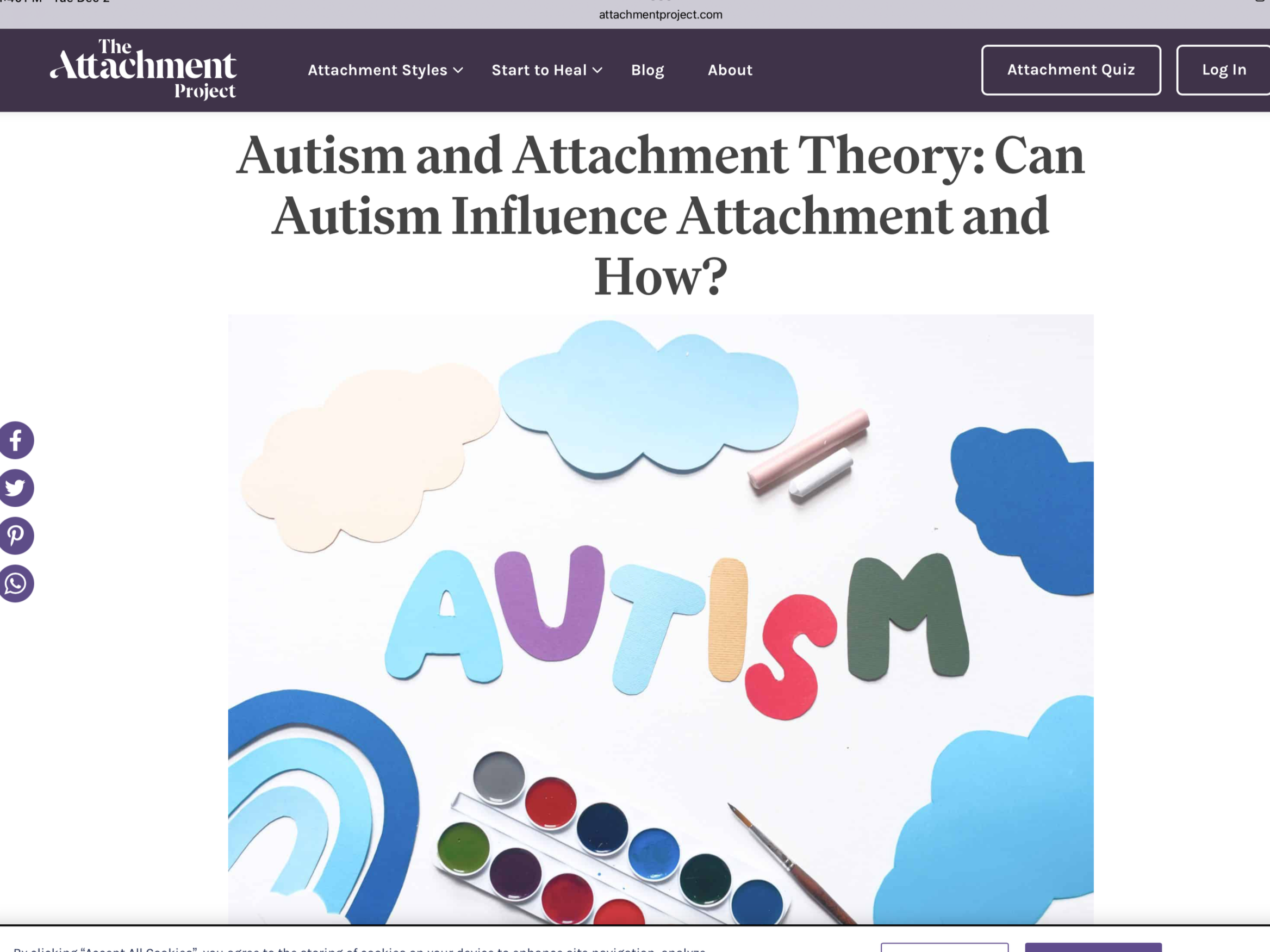
  • The webpage titled 'Autism and Attachment Theory: Can Autism Influence Attachment and How?' with colorful paper clouds, the word 'AUTISM' spelled out in multicolored foam letters, and art supplies such as watercolors and a paintbrush on a white background.

    Autism and Attachment

    This article reviews research on the link between autism and attachment style in early childhood. Autistic infants and toddlers may have more difficulty communicating their need for emotional connection in ways that caregivers can easily understand.